
Fetal Development
4 Months
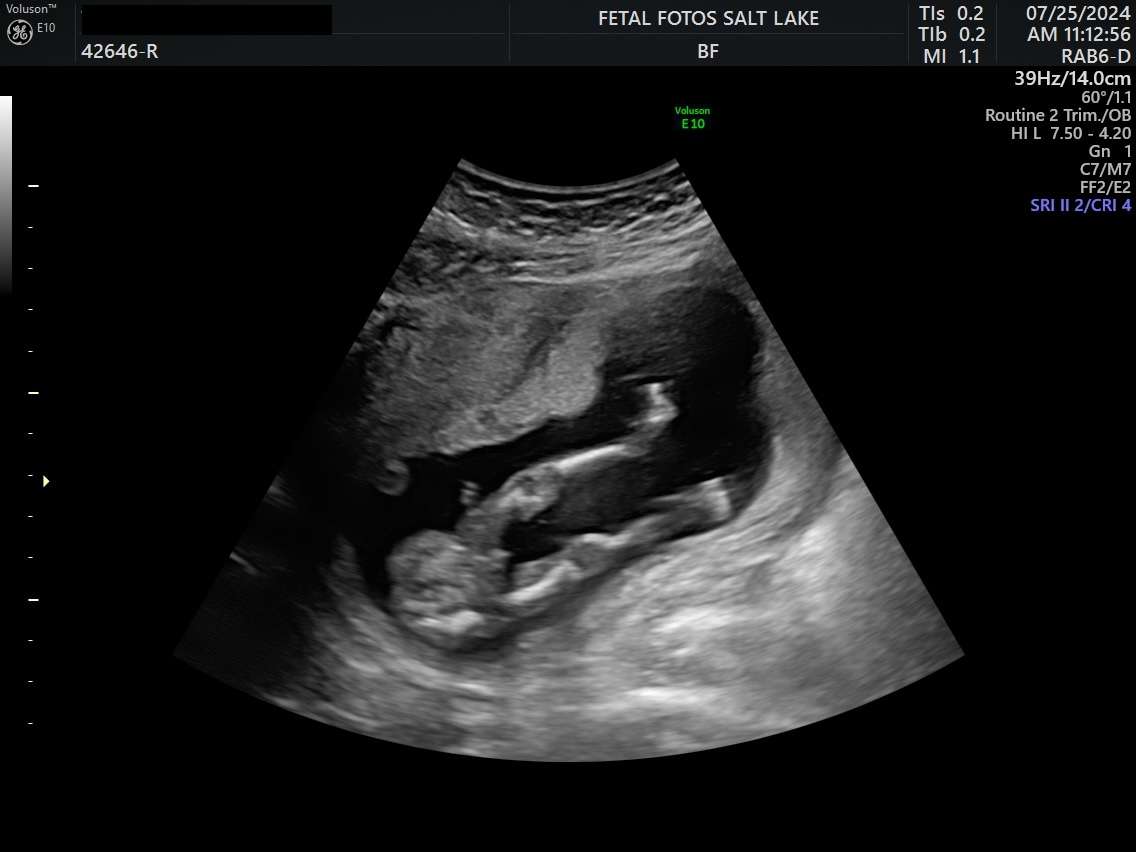
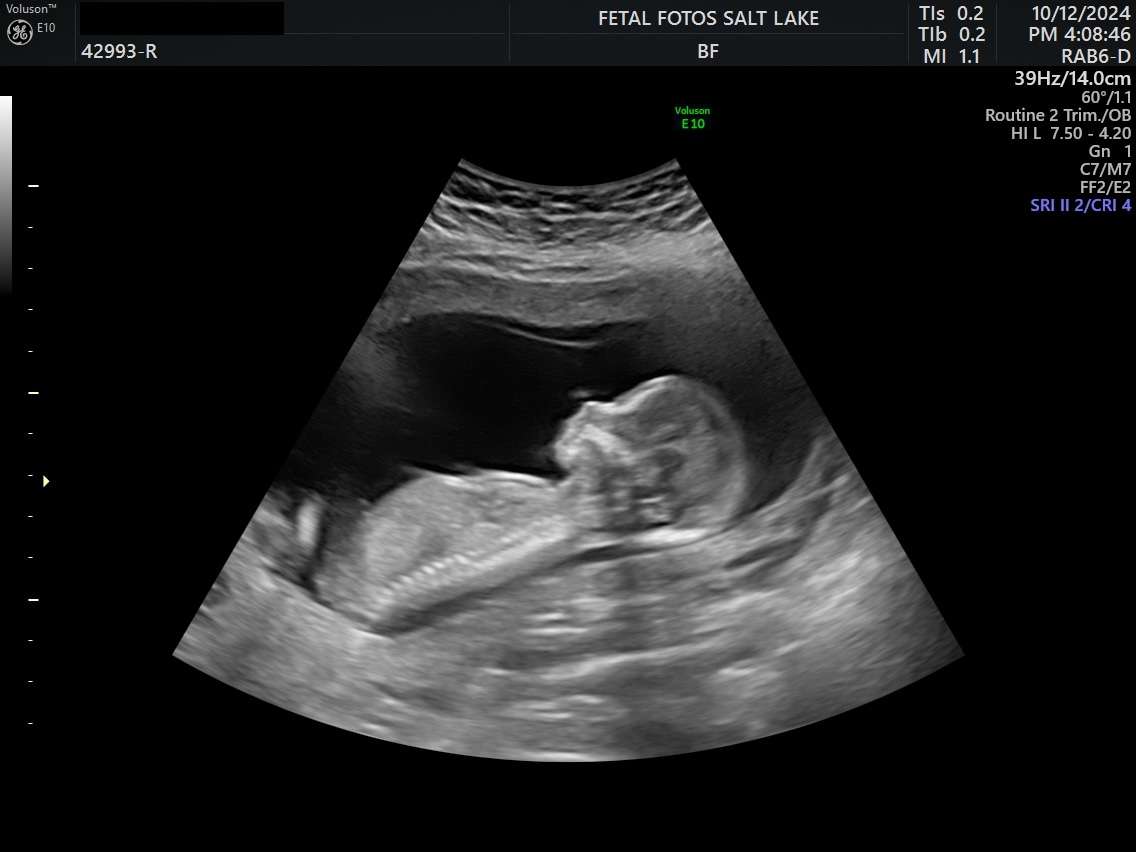
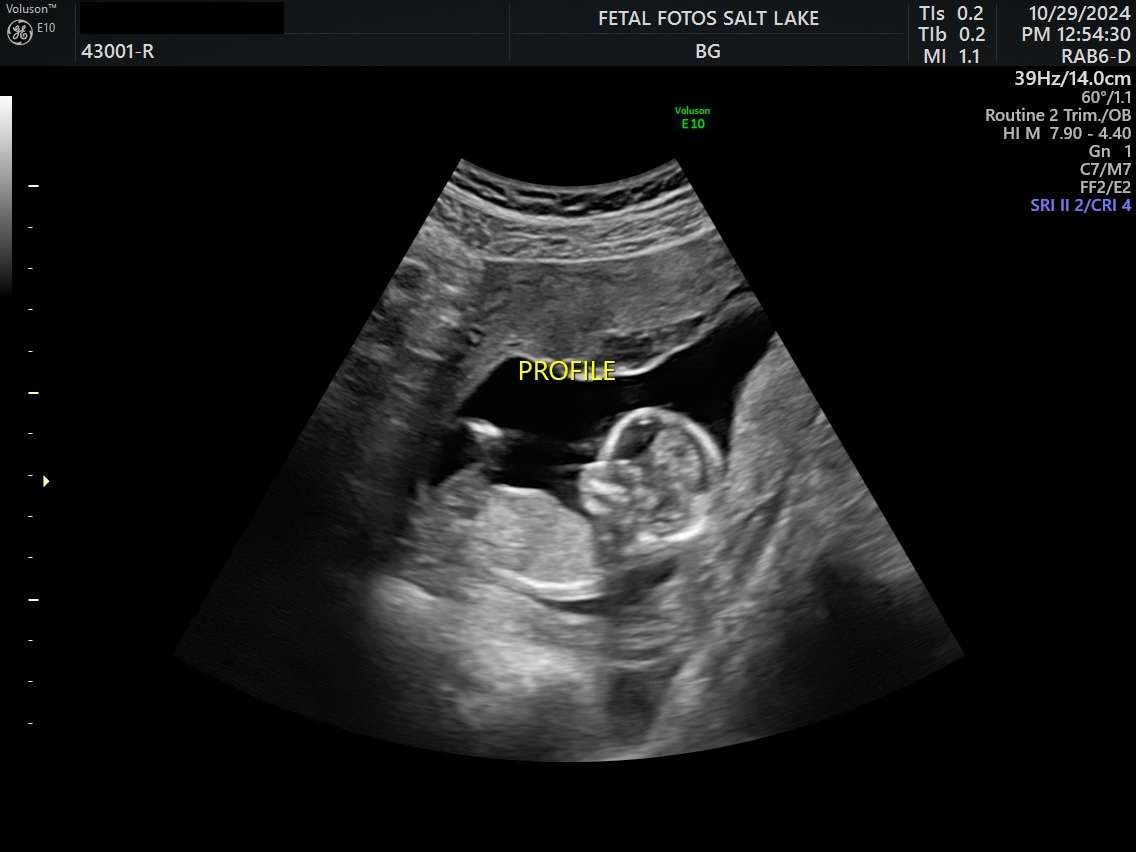
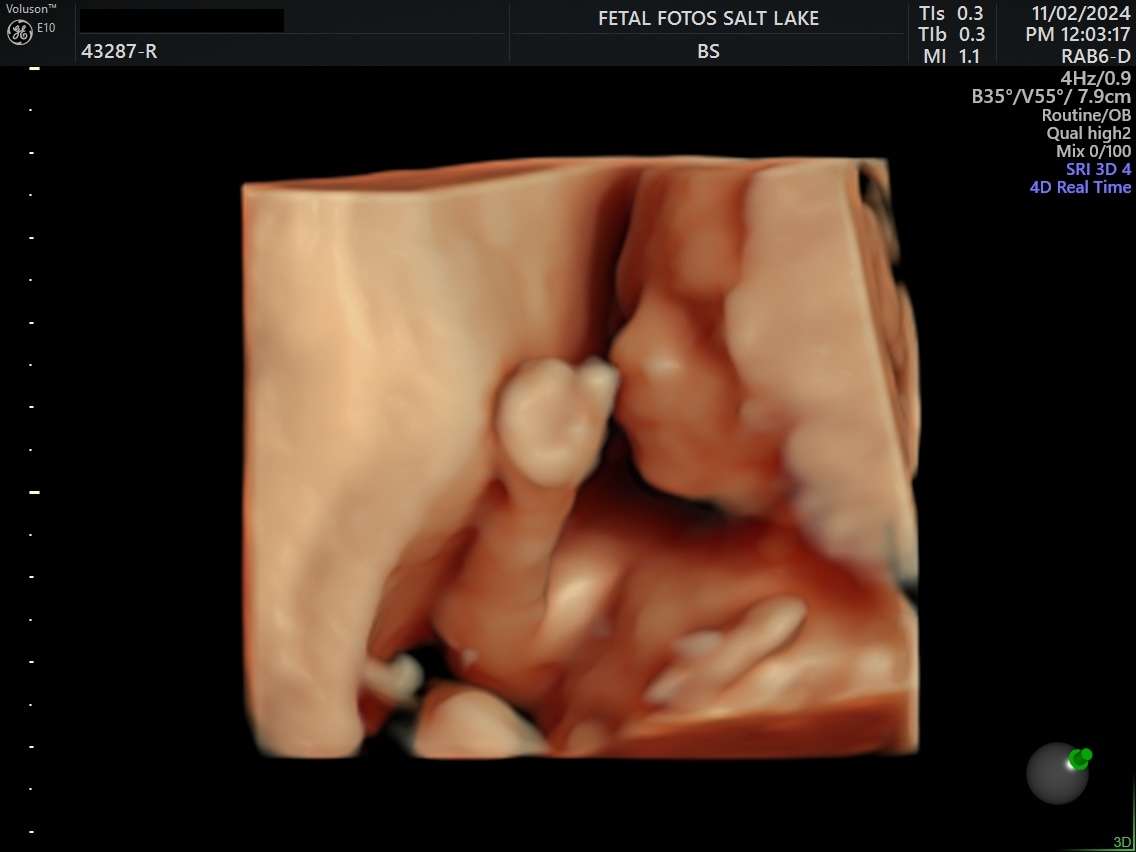
In the fourth month of pregnancy, remarkable changes occur as the baby grows and develops new abilities. This is the time when the baby’s sleep-wake cycles begin, with periods of activity and rest. The baby starts moving around more, and you may feel gentle kicks as they stretch and shift within the womb. Reflexes also start to develop in this phase; the baby can now suck and swallow, which are essential skills for life outside the womb. Sometimes, the baby may even suck their thumb—a reflex that often continues after birth as a soothing mechanism.
Physically, fine details begin to form, adding to the baby’s developing appearance. Eyebrows and eyelashes start to grow, framing the baby’s eyes. Beneath the surface, the bronchial tubes in the lungs are branching out, laying the groundwork for the respiratory system. The baby’s skin is very delicate at this stage, with a pink and somewhat transparent appearance. It is covered in soft, downy hair called lanugo, which helps protect the skin. Sweat glands are also starting to develop, preparing the baby for life outside the womb.
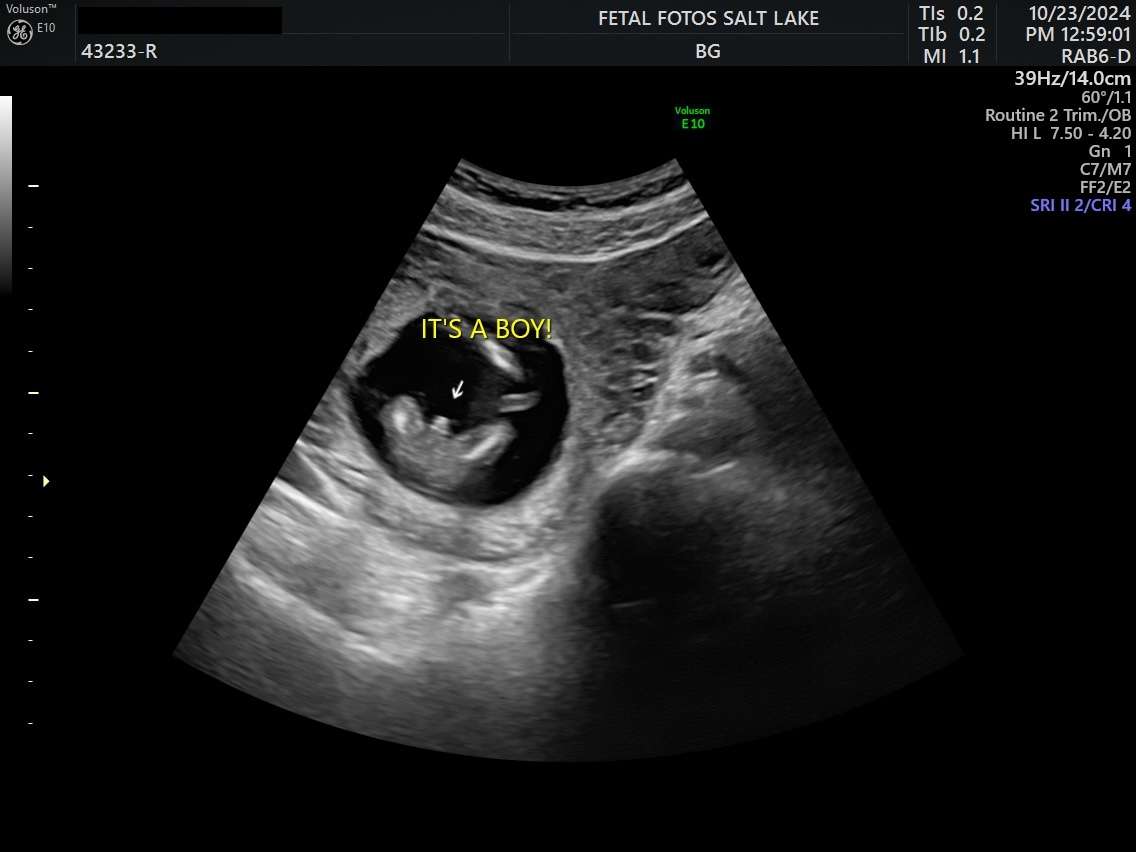
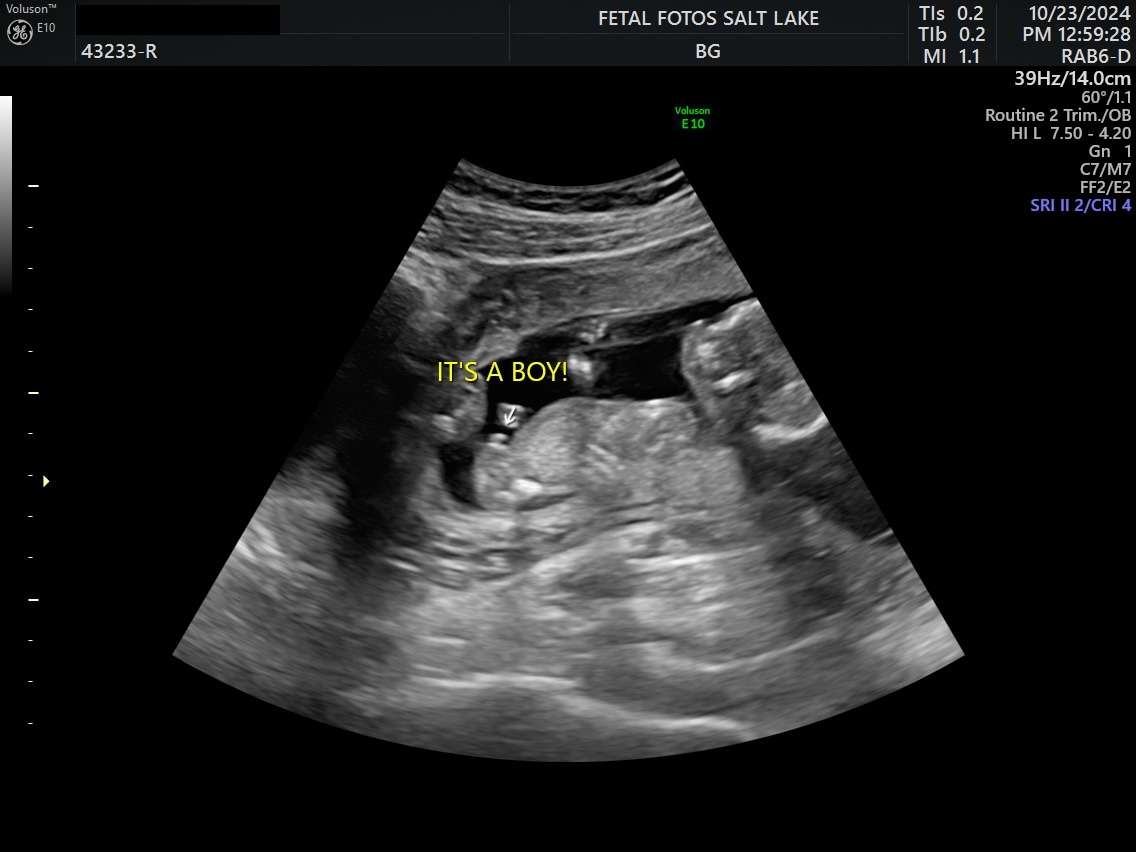
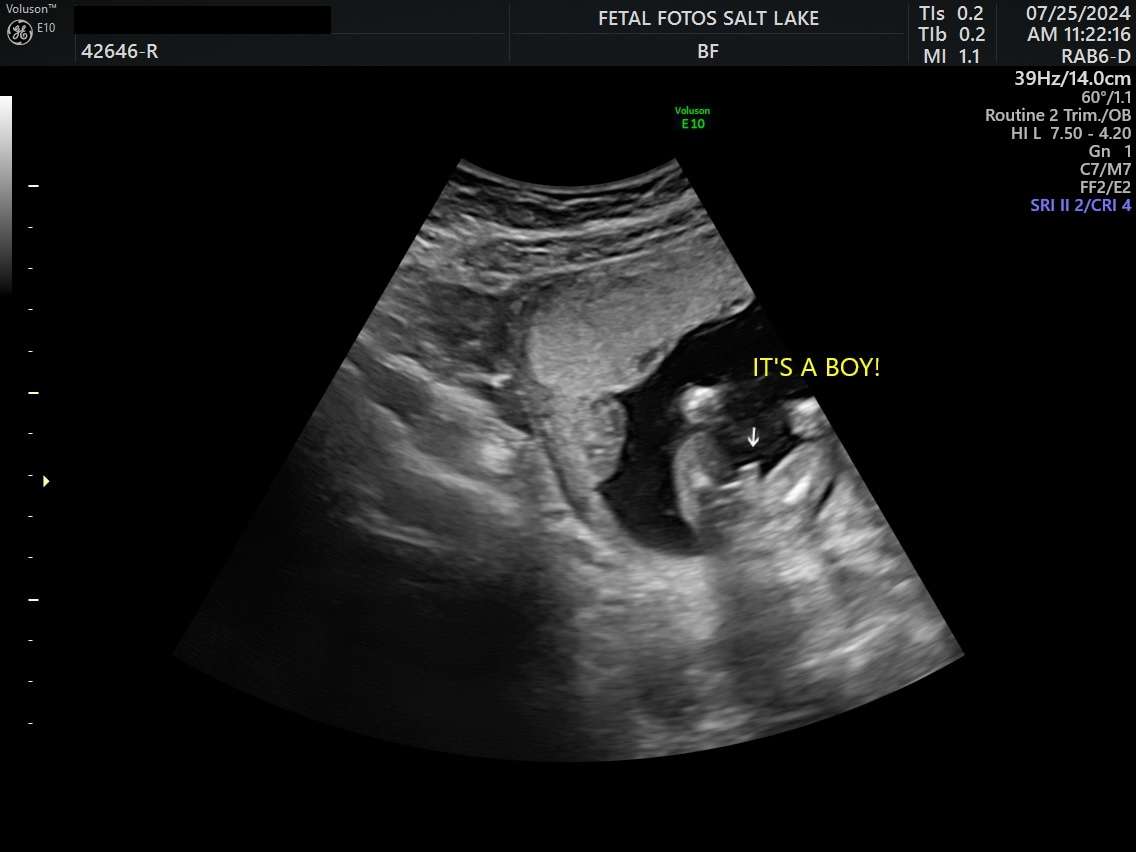
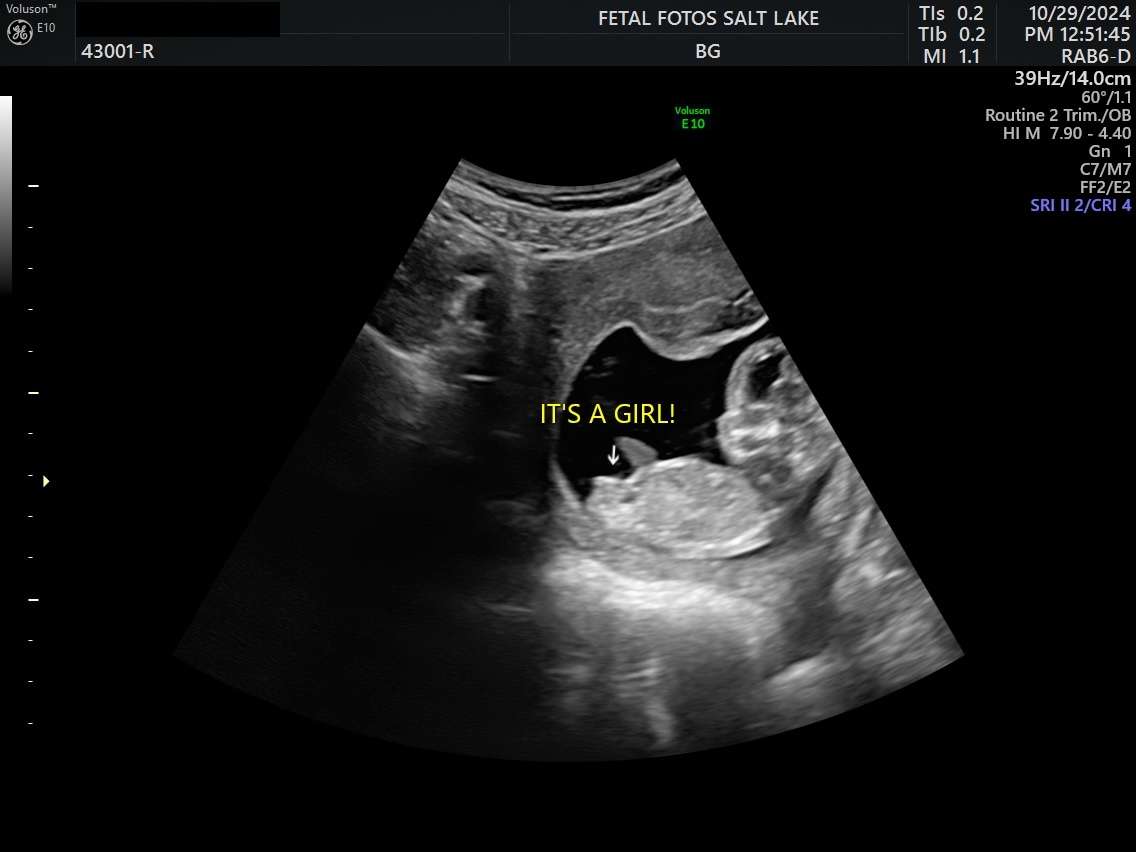
By now, the placenta is fully developed, playing a vital role in supplying oxygen and nutrients, as well as removing waste. The umbilical cord, connecting the baby to the placenta, continues to thicken and strengthen. An exciting milestone of this month is the potential to identify the baby’s gender, as the reproductive organs have formed. By the end of the fourth month, the baby measures around 6 to 7 inches in length and weighs approximately 5 ounces, showcasing significant progress and growth.
Gender Reveal
Please feel free to reach out to our professionals if you have any questions or if you would like more information.
DUE DATE CALCULATOR

Select First day of Last Period::
DUE DATE RESULT

Probable date of conception:
Foetal Age Today:
Best date range for NT scan:
(12 weeks 3 days to 13 weeks 3 days)
Morphology Scan Date:
(19 weeks)
First Heart Tones by Doppler:
(11 to 12 weeks)
Best time to evaluate cervical length in patient with risk factors:
Best time for routine anatomy ultrasound:
(18 to 20 weeks)
Estimated Due Date: